

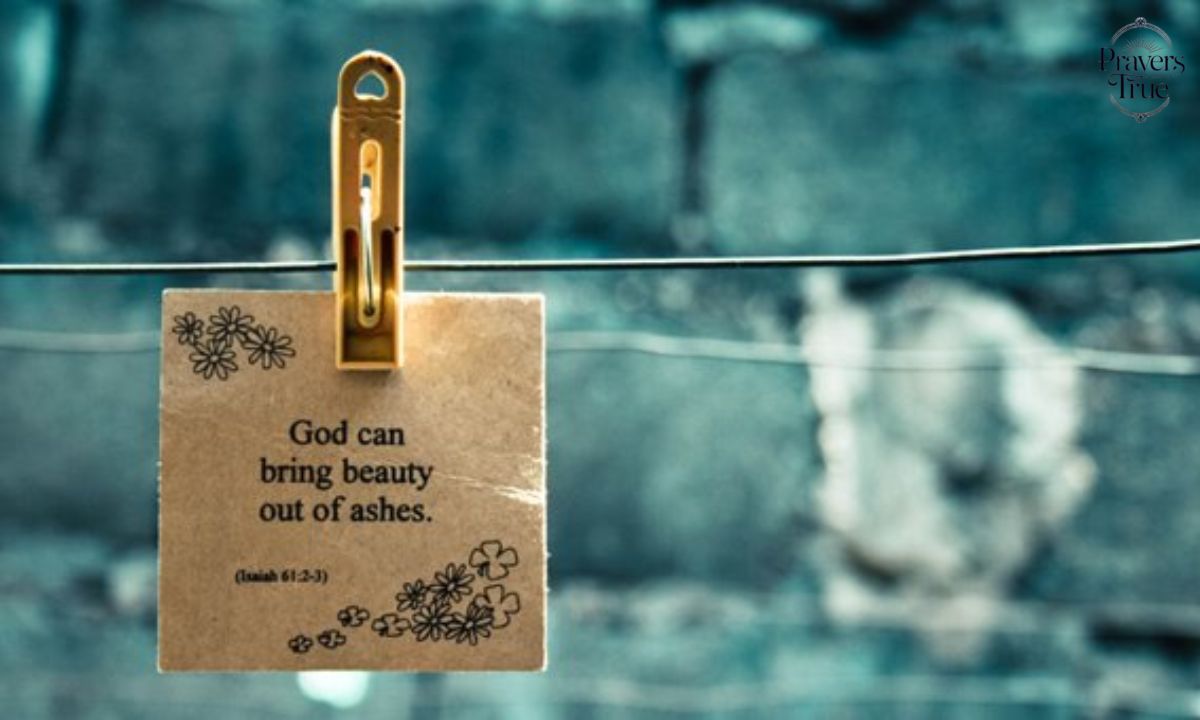
Have you ever heard someone confidently say, “The Bible says…” only to discover later that those exact words never appeared in Scripture? It happens more often than many people realize. Over the years, countless inspirational sayings have been passed from person to person until many Christians assume they are direct Bible verses. Some of these quotes contain a grain of biblical truth, while others communicate ideas that are very different from what the Bible actually teaches.
In today’s digital world, social media posts, greeting cards, motivational speakers, and even well-meaning Christians sometimes share quotes without checking their original source. As a result, many popular sayings have become so familiar that they are often mistaken for Scripture. While encouraging words can certainly inspire us, it is important to know the difference between a biblical principle and a quote that simply sounds biblical.
What Are Fake Christian Quotes?

Fake Christian quotes are sayings that people often believe come directly from the Bible but actually do not. Some were written by authors, pastors, philosophers, or historical figures. Others developed over time through common speech until they became widely accepted as “Bible verses.”
Not every non-biblical quote is false or harmful. Many contain wisdom that aligns with biblical values. The problem begins when people present these sayings as if God directly spoke them in Scripture.
The Bible repeatedly encourages believers to value truth. When Christians accurately represent Scripture, they honor God’s Word and avoid spreading misinformation.
Why Do People Mistakenly Believe These Quotes Are in the Bible?
Several factors contribute to this common misunderstanding.
They Sound Biblical
Many sayings use religious language, mention God, or reflect Christian values. Because they sound similar to biblical teaching, people naturally assume they come from Scripture.
They Are Repeated Frequently
The more often people hear a quote in sermons, books, social media posts, or conversations, the more likely they are to believe it is biblical.
Bible Verses Are Sometimes Paraphrased
Many popular quotes are loose summaries of biblical ideas. Over time, those summaries become simplified and eventually mistaken for actual Bible verses.
Images and Social Media
Beautiful images with inspirational text often include a Bible reference—or sometimes none at all. Many readers never verify whether the quote actually exists in Scripture.
Why Accuracy Matters
Some people may wonder whether it really matters if a quote isn’t in the Bible as long as it sounds encouraging.
The answer is yes.
Christians believe the Bible is God’s inspired Word. Confusing human opinions with Scripture can lead to misunderstandings about God’s character, His promises, and His instructions.
Knowing what the Bible truly says also strengthens faith. Instead of relying on popular sayings, believers can confidently stand on God’s actual promises.
Popular Fake Christian Quotes Explained

“God Helps Those Who Help Themselves”
This is probably the most famous quote that people mistakenly believe is in the Bible.
Is It in the Bible?
No.
Where Did It Come From?
The saying existed in ancient Greek literature and later became widely known through Benjamin Franklin.
What Does the Bible Actually Teach?
The Bible teaches that God helps those who trust Him, not merely those who rely on their own strength. Throughout Scripture, God repeatedly comes to the aid of people who recognize their need for Him.
Instead of promoting self-reliance, the Bible encourages dependence on God.
“Follow Your Heart”
This advice appears everywhere—from movies and songs to graduation speeches.
Is It in the Bible?
No.
What Does the Bible Teach?
Rather than encouraging people to follow their hearts, Scripture often warns that the human heart can be influenced by sin and selfish desires.
The Bible encourages believers to seek God’s wisdom and allow Him to guide their decisions instead of relying solely on emotions.
“Everything Happens for a Reason”
Many people say this after difficult experiences to comfort someone who is hurting.
Is It a Bible Verse?
No.
Does the Bible Say Something Similar?
The Bible teaches that God can bring good out of difficult situations for those who love Him. However, this does not mean that every painful event is directly caused by God or that every tragedy has an immediately understandable reason.
This popular saying oversimplifies a much deeper biblical truth about God’s sovereignty and His ability to redeem suffering.
“God Won’t Give You More Than You Can Handle”
This quote is especially common during times of hardship.
Is It in the Bible?
No.
What Is the Confusion?
Many people misunderstand a Bible passage about temptation and apply it to every hardship in life.
What Does Scripture Teach?
The Bible actually shows many faithful believers facing situations that were far beyond their own strength.
Why?
Because God wants His people to depend on Him rather than themselves.
Instead of promising an easy life, Scripture promises God’s presence, strength, comfort, and guidance during difficult seasons.
“Cleanliness Is Next to Godliness”
Many children have heard this saying from parents or teachers.
Is It Found in Scripture?
No.
Where Did It Come From?
The saying became popular through historical writings and later Christian teaching, but it never appears in the Bible.
Does the Bible Value Cleanliness?
The Bible certainly encourages purity, order, and good stewardship. However, spiritual holiness is much deeper than physical cleanliness.
God looks at the heart rather than outward appearance.
“Hate the Sin, Love the Sinner”
This phrase is commonly used when discussing grace and truth.
Is It in the Bible?
No.
Is the Idea Biblical?
Partially.
Although the exact phrase never appears in Scripture, the Bible teaches believers to love others while rejecting sin. Jesus consistently showed compassion toward sinners while calling them to repentance and new life.
The phrase summarizes a biblical principle but should not be presented as a direct Bible quotation.
“This Too Shall Pass”
People often use these words during seasons of grief or hardship.
Is It a Bible Verse?
No.
Why Is It Popular?
The saying reminds people that difficult moments are temporary.
Does the Bible Teach Hope?
Absolutely.
Scripture repeatedly teaches that suffering does not last forever and that God remains faithful through every season. Although the exact words never appear in the Bible, the overall message of hope is consistent with many biblical passages.
“God Wants Me to Be Happy”
This modern statement has become increasingly popular.
Is It in Scripture?
No.
What Does the Bible Emphasize?
The Bible places greater emphasis on holiness, obedience, faithfulness, and a relationship with God than on temporary happiness.
Joy and peace are lasting gifts that come from walking with God, even during difficult circumstances.
The Christian life is not built around pursuing comfort but around following Christ faithfully.
Tips for Sharing Christian Quotes Responsibly

If you enjoy sharing inspirational messages with family and friends, consider these best practices.
- Always verify the source before posting.
- Include the correct Bible reference when quoting Scripture.
- Avoid adding words to Bible verses.
- Don’t remove verses from their context.
- Distinguish between devotionals, personal opinions, and God’s Word.
- Encourage others to read the full passage instead of only one sentence.
- When in doubt, check a trusted Bible before sharing.
These habits help ensure that the message people receive is both encouraging and accurate.
The Difference Between Inspirational Quotes and Scripture

There is nothing wrong with enjoying thoughtful quotes from Christian authors, pastors, or historical figures. Many of these sayings provide encouragement and wisdom.
The important distinction is honesty.
A quote written by a respected Christian writer should be credited to that person rather than presented as a Bible verse.
Likewise, when quoting Scripture, it should be quoted faithfully without changing its meaning.
Recognizing this difference helps preserve the authority of God’s Word while still appreciating the wisdom found in Christian literature.
Frequently Asked Questions
What are fake Christian quotes?
Fake Christian quotes are sayings that many people mistakenly believe come directly from the Bible, even though they are not found in Scripture.
Are all popular Christian sayings from the Bible?
No. Many well-known Christian sayings were written by authors, pastors, philosophers, or became popular through tradition rather than biblical text.
Why do fake Bible quotes spread so easily?
They often sound biblical, are emotionally encouraging, and are repeatedly shared through sermons, books, greeting cards, and social media.
Is it wrong to share inspirational quotes?
Not at all. Inspirational quotes can encourage others, but they should never be presented as Bible verses unless they actually come from Scripture.
How can I verify a Bible quote?
Look for a book, chapter, and verse reference, then read the passage in a trusted Bible translation to confirm the wording and context.
Why is biblical accuracy important?
Accurate Scripture helps believers understand God’s true message, strengthens faith, and prevents misunderstandings about Christian teaching.
Conclusion
In a world filled with motivational sayings and viral social media posts, it’s easy to confuse human wisdom with God’s Word. Many fake Christian quotes are shared with good intentions, but good intentions should never replace biblical accuracy.
The Bible remains the ultimate source of truth for Christian faith and daily living. While inspirational sayings can encourage and uplift, they should always be clearly distinguished from Scripture. Before sharing a quote, take a moment to verify its source, read the surrounding biblical context, and ensure it accurately reflects God’s Word.

Riya is a passionate writer with 4 years of experience creating inspiring prayer blogs. She currently works at PrayersTrue.com, sharing heartfelt words that bring peace, hope, and spiritual strength to readers worldwide.