

Passover is a sacred time of remembrance, freedom, and hope. As families gather around the Seder table to retell the story of liberation, it is also a meaningful opportunity to pray for peace—within our homes, our communities, and the world. The themes of freedom from oppression and faith in God’s deliverance naturally invite reflection on healing, unity, and reconciliation.
Adding prayers and readings for peace to your Passover Seder can deepen the spiritual experience and make the celebration even more relevant today. Whether shared before lighting the candles, during the Maggid, or at the close of the evening, these words can inspire compassion, understanding, and a renewed commitment to peace for all.
Prayers and Readings for Peace at the Seder
1. Prayer for Peace Before the Seder Begins
To be read as everyone gathers around the table
Leader:
Blessed are You, Eternal our God, Sovereign of the universe, who has given us this night to remember our journey from slavery to freedom.
As we prepare to retell the story of our ancestors’ liberation, we pause to acknowledge that the world still knows too much bondage—bondage to hatred, to violence, to war.
Tonight, we pray for peace:
For those who flee tyranny as our ancestors fled Egypt,
For those who hunger for justice as we hungered in the wilderness,
For those who seek safe haven as we sought the promised land.
All together:
May this Seder awaken in us a commitment to pursue peace—shalom—not just as absence of conflict, but as wholeness, justice, and harmony among all peoples.
May we who were strangers in Egypt never turn away the stranger.
May we who cried out in suffering hear the cries of others.
May we who were redeemed become agents of redemption.
Ken yehi ratzon. May this be God’s will.
2. Readings for Peace Between the Four Questions
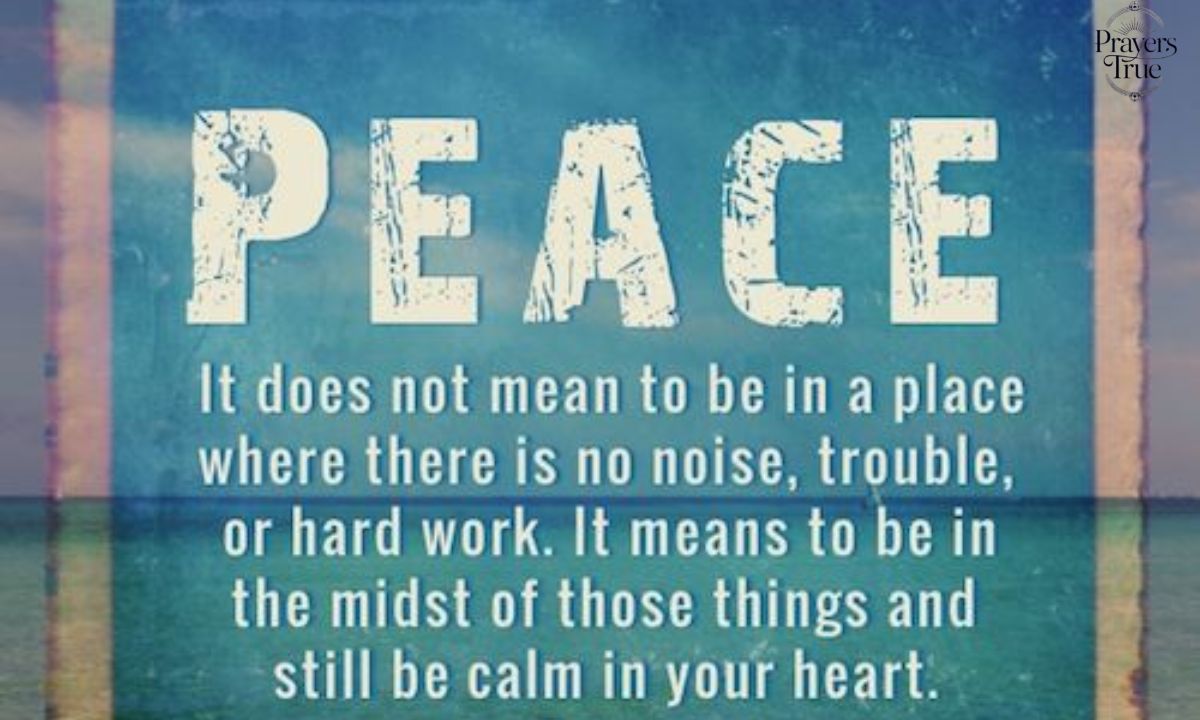
After the youngest asks the Four Questions, before the answers are given
First Reader:
The child has asked: Why is this night different from all other nights? We might also ask: Why is this generation different from all other generations?
Each generation has known conflict. Each has witnessed cruelty. Yet each has also held the possibility of peace in its hands.
Second Reader:
Our sages teach: “Seek peace and pursue it” (Psalm 34:14). We do not wait for peace to find us—we chase after it, we run toward it, we build it with our own hands.
Third Reader:
On this night, we remember that freedom without peace is incomplete. A people liberated from one Pharaoh but surrounded by war is not yet fully free. Our redemption is bound to the redemption of all humanity.
Fourth Reader:
Let us answer the child’s question not only with the story of what was, but with our vision of what can be: A night when all children are free. A night when all people live without fear. A night when the whole world sits together at one table.
All together:
Until that night arrives, we work. We learn. We remember. We pursue peace.
3. A Prayer for Peace During the Maggid (Storytelling)
To be read after recounting the plagues, before or after “Dayenu”
Leader:
We have just recounted the ten plagues—the suffering that befell Egypt so that we might go free. Our tradition teaches us to diminish our joy at this moment, removing drops of wine from our cups for each plague, because we cannot celebrate fully when others have suffered, even our enemies.
Reader 1:
The Egyptians, too, were human. They, too, were created in the divine image. Their pain diminishes us, even as our freedom lifts us.
Reader 2:
Rabbi Yochanan taught that when the Egyptians drowned in the Sea of Reeds, the angels began to sing praises. But God silenced them, saying: “My creatures are drowning in the sea, and you want to sing songs?”
Leader:
Let us hold this truth close: Every human life is sacred. Every person’s suffering matters. Peace cannot be built on the dehumanization of others.
Prayer (All together):
Eternal God, help us to see Your image in every face—
In the face of the refugee and the citizen,
In the face of the enemy and the friend,
In the face of those who look like us and those who do not.
Grant us the wisdom to know that our security does not require another’s suffering,
That our freedom does not demand another’s bondage,
That our peace must include all people.
On this night of remembrance, we commit ourselves to break the cycles of violence that have plagued humanity since Cain and Abel. We pledge to build a world where no one needs to cry out as we cried out in Egypt, where no one is thrown into the sea, where all may cross to freedom on dry land.
Blessed are You, Eternal One, who desires peace for all creation.
4. Reflections on Freedom and Peace After Dayenu
To be read after singing “Dayenu”
Leader:
We sang “Dayenu”—”It would have been enough.” But in truth, was it enough? Is it ever enough?
Reflection 1: Incomplete Freedom
If God had brought us out of Egypt but left us wandering without purpose—would it have been enough?
If we had gained our freedom but learned nothing about justice—would it have been enough?
If we became a nation but failed to care for the widow, the orphan, the stranger—would it have been enough?
The answer, truthfully, is no. Freedom without justice is hollow. Liberation without compassion is incomplete.
Reflection 2: The Unfinished Journey
Our ancestors’ journey from Egypt to the Promised Land took forty years. Our journey from conflict to peace may take longer still.
We live in a world where:
- Nations still war against nations
- Children still know hunger and fear
- Refugees still search for safety
- Hatred still divides human from human
Dayenu celebrates what has been accomplished. But we must also ask: What remains undone?
Reflection 3: Our Responsibility
The Passover story does not end at the Sea of Reeds. It does not end at Mount Sinai. It does not even end when we enter the Promised Land.
The story continues with us, in this moment, at this table.
We are the generation that must choose: Will we be content with our own freedom, or will we work for universal liberation? Will we enjoy our own peace, or will we pursue peace for all?
All together:
Dayenu acknowledges the gifts we have received.
But lo dayenu—it is not enough—until all are free.
It is not enough until swords become plowshares.
It is not enough until every child sleeps safely.
It is not enough until peace covers the earth like water covers the sea.
Closing (Leader):
On this night of redemption, we recommit ourselves to the sacred work of peace. May we leave this table not just remembering liberation, but creating it. Not just recalling miracles, but performing them.
Next year in Jerusalem—rebuilt as a city of peace.
Next year, may all people dwell in freedom.
All: Amen.
5. A Peace Blessing to Share Before the Festive Meal
To be read after the ritual hand-washing and before eating the matzah and festive meal
Leader:
We now prepare to share this meal together—a meal made sacred not by what we eat, but by why we gather and how we remember.
Before we break bread, let us offer a blessing for peace, for this table is more than wood and cloth. It is a rehearsal for the world we wish to create.
The Blessing:
All together:
Blessed are You, Eternal our God, Sovereign of the universe,
who brings forth bread from the earth
and who commands us to pursue peace.
May this table be a place of peace—
Where disagreements are heard with patience,
Where differences are met with curiosity,
Where all who gather are welcomed as equals.
As we share this meal, may we remember:
The hungry who have no table,
The refugees who have no home,
The fearful who have no safety,
The lonely who have no family.
Leader:
Our sages taught: “Great is peace, for all blessings are contained within it” (Numbers Rabbah 11:7).
Responsive Reading:
Leader: May there be peace in our hearts,
All: So we may see clearly and act justly.
Leader: May there be peace in our homes,
All: So love may flourish and children may thrive.
Leader: May there be peace in our communities,
All: So neighbors may become friends and strangers may become family.
Leader: May there be peace among nations,
All: So swords may be beaten into plowshares and war be studied no more.
Leader: May there be peace on earth,
All: As it is in heaven.
Final Blessing (All):
Blessed is the One who makes peace in the heavens; may this same peace descend upon us, upon all Israel, and upon all the world.
Oseh shalom bimromav, hu ya’aseh shalom aleinu v’al kol Yisrael, v’al kol yoshvei tevel. Amen.
Let us eat together in peace.
6. Readings for Healing and Peace for the World
These readings can be interspersed throughout the meal or read together at one moment
Reading 1: For Those in Conflict Zones
Tonight we feast while others flee.
We raise our cups while others raise their children above floodwaters.
We sing while others weep.
We do not forget them.
We pray for healing in:
[Name current conflict zones, or say: “all places torn by violence”]
We pray for courage for the peacemakers,
Wisdom for the leaders,
Protection for the innocent,
And reconciliation for the enemies.
May those who plant bombs learn to plant gardens.
May those who trade in weapons trade in bread.
May those who profit from war invest in peace.
Reading 2: For Refugees and the Displaced
“You shall not oppress a stranger, for you know the feelings of the stranger, having yourselves been strangers in the land of Egypt.” (Exodus 23:9)
Tonight we remember: We were strangers.
Our ancestors carried their unleavened bread on their backs, fleeing in haste.
They did not know where they would sleep or whether they would survive.
Today, millions carry their lives in plastic bags and backpacks.
Children cross deserts and seas.
Families sleep in tents and train stations.
The stranger is at the gate.
How will we answer?
Prayer:
God of wanderers and refugees,
Open our hearts as You once opened the sea.
Make us a people who build bridges, not walls.
Help us to see in every refugee’s face the face of our ancestors,
And in every stranger’s plea our own cry from Egypt.
Reading 3: For Healing Between Peoples
There is a Hasidic teaching: When a person breaks something precious, they should save the broken pieces. Why? Because the pattern of the break is unique, and only those specific pieces can restore what was lost.
So it is with broken relationships between peoples.
The scars of history are real.
The wounds run deep.
But healing is possible—not by forgetting, but by remembering rightly.
Prayer for Reconciliation:
Eternal God, You who are called Rofeh Cholim, Healer of the Sick:
Heal the rifts between Palestinian and Israeli,
Between Sunni and Shia,
Between Hindu and Muslim,
Between Black and white,
Between all who see each other as enemies rather than as family.
Teach us to hold both truth and compassion:
To name injustice without dehumanizing,
To remember history without nursing hatred,
To seek justice without abandoning mercy.
Help us to see that we are all broken vessels,
And that only together can we be made whole.
Reading 4: For Environmental Peace
“The earth is the Lord’s and the fullness thereof” (Psalm 24:1)
There can be no peace among humanity while we wage war on creation.
Climate change displaces millions.
Pollution sickens the vulnerable.
Extinction diminishes us all.
Tonight we recall the plagues visited upon Egypt—
Water turned to blood,
Livestock dying,
Darkness covering the land.
Are we not visiting such plagues upon ourselves?
Prayer:
Creator of heaven and earth,
Forgive us for treating Your creation as commodity rather than sacred trust.
Grant us wisdom to live lightly upon the earth,
To share its abundance justly,
To protect its diversity zealously,
And to pass it on to our children undiminished.
May there be peace between humanity and nature,
So that all creation may sing Your praise.
Reading 5: For Personal and Communal Healing
We pray also for healing closer to home:
For those at this table carrying private sorrows,
For family members absent due to illness, distance, or estrangement,
For friends struggling with grief, addiction, or despair,
For communities torn by division and mistrust.
Silent Reflection:
Pause for 30 seconds of silence, inviting each person to hold in their heart someone or some situation in need of healing.
Leader:
May the One who blessed our ancestors Abraham, Isaac, and Jacob, Sarah, Rebecca, Rachel, and Leah, bring healing and peace to all who suffer. May wholeness and shalom be restored to our broken world.
Amen.
7. A Family Prayer for Peace and Unity at the Table
This prayer acknowledges both the beauty and the challenge of family gatherings
Leader:
Here we sit—generations together, personalities colliding, histories converging.
Some of us remember Seders past; others create their first memories tonight.
Some agree on everything; others disagree on most things.
Yet here we are, family, gathered around one table.
A Prayer for This Table:
All together:
Blessed are You, Eternal our God,
who has made us a family—
Not perfect, but present,
Not always agreeing, but always connected,
Not without conflict, but not without love.
Responsive Reading:
Reader 1: For the eldest among us, who carry our history:
All: We thank You, God, for their wisdom and their stories.
Reader 2: For the youngest among us, who carry our future:
All: We thank You, God, for their wonder and their questions.
Reader 3: For those who prepared this meal:
All: We thank You, God, for their labor and their love.
Reader 4: For those who traveled far to be here:
All: We thank You, God, for their commitment and their presence.
Reader 5: For those we miss—whether absent by distance, death, or division:
All: We remember them with love and hold them in our hearts.
Leader:
Family is not always easy. Around this table are different political views, different lifestyles, different choices. We have hurt each other. We have disappointed each other. We have also sustained each other, celebrated with each other, and shown up for each other.
Prayer for Family Shalom:
All:
God of Peace, grant us the grace to:
Listen more than we lecture,
Ask more than we assume,
Understand more than we judge,
Forgive more than we condemn.
Help us to see that unity does not require uniformity.
We can disagree and still love.
We can differ and still belong.
We can challenge and still cherish.
May this table be a sanctuary where:
The loud are heard but don’t dominate,
The quiet are drawn out and valued,
The difficult conversations can happen with respect,
And the simple joy of being together is not forgotten.
Bless this family with peace—
Not the peace of silence, but the peace of understanding,
Not the peace of avoidance, but the peace of reconciliation,
Not the peace of pretense, but the peace of authenticity.
Closing:
Leader: May we leave this table more connected than when we arrived.
All: Amen v’Amen.
8. Closing Prayer for Peace After the Seder Ends
To be read after the final songs, after “Next Year in Jerusalem”
Leader:
Our Seder is ending, but our journey continues.
We have told the story of liberation.
We have tasted the bitterness of slavery and the sweetness of freedom.
We have opened the door for Elijah, prophet of peace.
Now we prepare to leave this table and return to the world.
Final Reflection:
The Seder does not just look backward to Egypt.
It looks forward to redemption—personal, communal, global.
Our ancestors did not cross the Red Sea so we could build walls.
They did not receive the Torah so we could hoard its wisdom.
They did not enter the Promised Land so we could deny others their own.
The Closing Prayer:
All together:
Eternal One, Source of Peace,
As we conclude this sacred night,
Send us forth as ambassadors of shalom.
May we leave this table carrying:
The memory of slavery, so we never enslave others;
The taste of bitter herbs, so we notice others’ suffering;
The joy of freedom, so we work to liberate the oppressed;
The vision of redemption, so we never lose hope.
Commitments for the Year Ahead:
Leader: In the year between this Seder and the next, we pledge:
Reader 1: To speak words of peace, even when anger would be easier.
All: Ken yehi ratzon—May this be God’s will.
Reader 2: To extend hospitality to the stranger, as we were once strangers.
All: Ken yehi ratzon—May this be God’s will.
Reader 3: To pursue justice with compassion, and truth with humility.
All: Ken yehi ratzon—May this be God’s will.
Reader 4: To build bridges where others build walls.
All: Ken yehi ratzon—May this be God’s will.
Reader 5: To work for a world where next year, fewer will suffer.
All: Ken yehi ratzon—May this be God’s will.
Final Blessing:
Leader:
May the One who makes peace in the heavens bring peace to earth.
May the God who redeemed our ancestors continue the work of redemption in our time.
May the Holy One grant us courage, wisdom, and endurance for the work ahead.
All:
The Seder is over.
The work is not.
May we go from this place committed to:
Pursuing peace and pursuing it again,
Building justice and building it again,
Choosing hope and choosing it again,
Until all the world is free.
Traditional Conclusion:
All together:
L’shanah haba’ah b’Yerushalayim—Next year in Jerusalem!
L’shanah haba’ah b’Yerushalayim hab’nuyah—Next year Jerusalem will be rebuilt!
L’shanah haba’ah b’shalom—Next year in peace!
The Seder is concluded.
Go in peace.
Create peace.
Be at peace.
All: Amen!
Frequently Asked Questions
Why add prayers for peace to a Passover Seder?
Adding prayers for peace connects the story of freedom with today’s need for healing, unity, and justice in the world.
When is the best time to include peace readings during the Seder?
You can include them before the Seder begins, between traditional sections like the Four Questions, during the Maggid, or at the closing.
Can I create my own prayer for peace?
Yes, personal prayers make the Seder more meaningful and allow you to reflect on current events and personal hopes.
Are peace readings appropriate for children at the Seder?
Absolutely. Simple, age-appropriate reflections can help children understand the importance of kindness and compassion.
Do peace prayers replace traditional Seder texts?
No, they are meant to complement the traditional Haggadah, not replace it. They add depth and contemporary relevance.
Can these prayers focus on global as well as personal peace?
Yes, you can pray for peace in your home, your community, and throughout the world.
Conclusion
Incorporating prayers and readings for peace into your Passover Seder enriches the celebration with deeper meaning and relevance. The story of liberation is not only about the past—it is a call to bring compassion, justice, and harmony into the present.
As you gather around the Seder table, may your words inspire understanding, your reflections encourage kindness, and your prayers strengthen hope for a more peaceful world.

Riya is a passionate writer with 4 years of experience creating inspiring prayer blogs. She currently works at PrayersTrue.com, sharing heartfelt words that bring peace, hope, and spiritual strength to readers worldwide.