

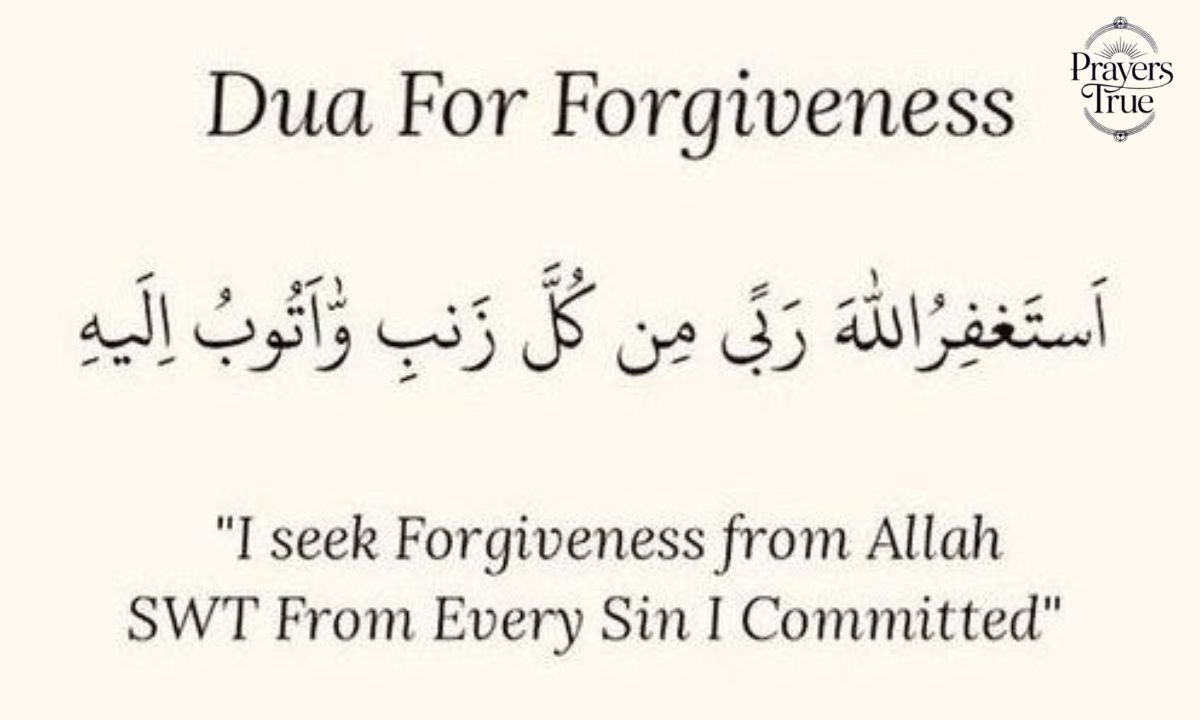
In Islam, remembering and praying for those who have passed away is a deeply meaningful act of compassion and faith. A dua for the deceased is a heartfelt supplication made to Allah, asking for mercy, forgiveness, and eternal peace for the departed soul. These prayers are often recited in Arabic, the sacred language of the Qur’an, and hold a special place in Islamic tradition.
Muslims believe that while a person’s deeds come to an end after death, the prayers of loved ones continue to benefit them in the hereafter. Offering a dua not only brings comfort to the grieving family but also serves as a reminder of the temporary nature of this world and the importance of preparing for life after death. Whether recited during funeral prayers (Salat al-Janazah) or in personal moments of reflection, these supplications are a beautiful way to honor and remember those who have returned to their Creator.
🤲 The Most Common Dua — Upon Hearing of Someone’s Death
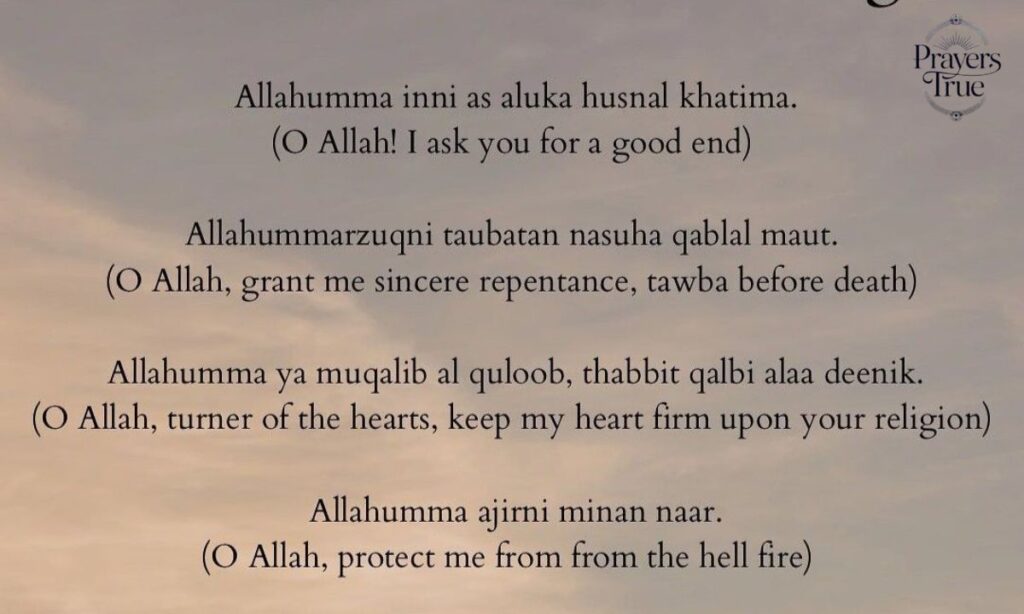
Arabic:
إِنَّا لِلَّهِ وَإِنَّا إِلَيْهِ رَاجِعُونَ
Transliteration:
Innā lillāhi wa innā ilayhi rājiʿūn
Translation:
“Indeed, we belong to Allah, and indeed to Him we shall return.” (Surah Al-Baqarah 2:156)
🤲 Dua for Forgiveness & Mercy
Arabic:
اللَّهُمَّ اغْفِرْ لَهُ وَارْحَمْهُ وَعَافِهِ وَاعْفُ عَنْهُ
Transliteration:
Allāhumma-ighfir lahu warḥamhu wa ʿāfihi waʿfu ʿanhu
Translation:
“O Allah, forgive him, have mercy on him, grant him well-being, and pardon him.” (Sahih Muslim)
💡 For a female, replace لَهُ (lahu) with لَهَا (lahā)
🤲 Dua After Burial (Asking for Steadfastness)
Arabic:
اللَّهُمَّ اغْفِرْ لَهُ، اللَّهُمَّ ثَبِّتْهُ
Transliteration:
Allāhumma-ghfir lahu, Allāhumma thabbithu
Translation:
“O Allah, forgive him. O Allah, make him steadfast.” (Abu Dawud)
🤲 Dua for Expanding the Grave & Lighting It
Arabic:
اللَّهُمَّ اغْفِرْ لَهُ وَارْفَعْ دَرَجَتَهُ فِي الْمَهْدِيِّينَ، وَاخْلُفْهُ فِي عَقِبِهِ فِي الْغَابِرِينَ، وَاغْفِرْ لَنَا وَلَهُ يَا رَبَّ الْعَالَمِينَ، وَافْسَحْ لَهُ فِي قَبْرِهِ وَنَوِّرْ لَهُ فِيهِ
Transliteration:
Allāhumma-ghfir lahu warfaʿ darajatahu fil-mahdiyyīn, wakhlufhu fī ʿaqibihi fil-ghābirīn, waghfir lanā walahu yā Rabb al-ʿālamīn, wafsakḥ lahu fī qabrihi wa nawwir lahu fīh
Translation:
“O Allah, forgive him and elevate his rank among the rightly guided. Be a successor to those he left behind. Forgive us and him, O Lord of the worlds. Widen his grave for him and illuminate it for him.” (Sahih Muslim)
🤲 Short & Powerful Dua (Easy to Remember)
Arabic:
رَبِّ اغْفِرْ لِي وَلِوَالِدَيَّ وَلِلْمُؤْمِنِينَ
Transliteration:
Rabbi-ghfir lī wa liwālidayya wa lil-muʾminīn
Translation:
“My Lord, forgive me and my parents and the believers.” (Surah Nuh 71:28)
🕌 Tip: The most recommended practice after a death is to make lots of istighfar (seeking forgiveness) for the deceased, give sadaqah (charity) on their behalf, and recite Surah Al-Fatiha for their soul. These acts reach the deceased and benefit them greatly.
Dua for a Deceased Woman
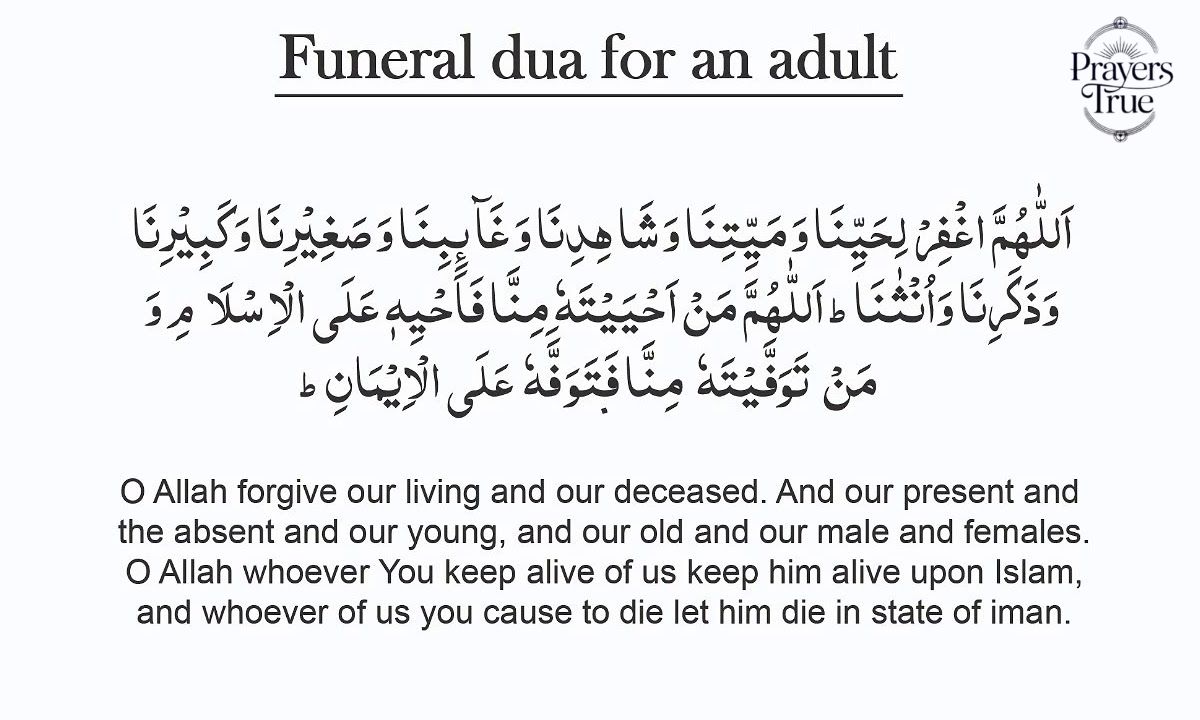
🤲 Most Common Dua — Forgiveness & Mercy
Arabic:
اللَّهُمَّ اغْفِرْ لَهَا وَارْحَمْهَا وَعَافِهَا وَاعْفُ عَنْهَا
Transliteration:
Allāhumma-ghfir lahā warḥamhā wa ʿāfihā waʿfu ʿanhā
Translation:
“O Allah, forgive her, have mercy on her, grant her well-being, and pardon her.” (Sahih Muslim)
🤲 Dua for Her Grave & Light
Arabic:
اللَّهُمَّ اغْفِرْ لَهَا وَارْفَعْ دَرَجَتَهَا فِي الْمَهْدِيِّينَ، وَاخْلُفْهَا فِي عَقِبِهَا فِي الْغَابِرِينَ، وَاغْفِرْ لَنَا وَلَهَا يَا رَبَّ الْعَالَمِينَ، وَافْسَحْ لَهَا فِي قَبْرِهَا وَنَوِّرْ لَهَا فِيهِ
Transliteration:
Allāhumma-ghfir lahā warfaʿ darajatahā fil-mahdiyyīn, wakhlufhā fī ʿaqibihā fil-ghābirīn, waghfir lanā walahā yā Rabb al-ʿālamīn, wafsakḥ lahā fī qabrihā wa nawwir lahā fīh
Translation:
“O Allah, forgive her and elevate her rank among the rightly guided. Be a successor to those she left behind. Forgive us and her, O Lord of the worlds. Widen her grave for her and illuminate it for her.” (Sahih Muslim)
🤲 Dua for Honorable Entry
Arabic:
اللَّهُمَّ أَدْخِلْهَا الْجَنَّةَ وَأَعِذْهَا مِنْ عَذَابِ الْقَبْرِ
Transliteration:
Allāhumma adkhilhā al-jannata wa aʿidhhā min ʿadhāb al-qabr
Translation:
“O Allah, enter her into Paradise and protect her from the punishment of the grave.”
🤲 Dua from the Quran — For All Believing Women
Arabic:
رَبَّنَا اغْفِرْ لَنَا وَلِإِخْوَانِنَا الَّذِينَ سَبَقُونَا بِالْإِيمَانِ
Transliteration:
Rabbanā-ghfir lanā wa li-ikhwāninā alladhīna sabaqūnā bil-īmān
Translation:
“Our Lord, forgive us and our brothers and sisters who preceded us in faith.” (Surah Al-Hashr 59:10)
Short Dua for the Deceased (Simple & Easy to Remember)
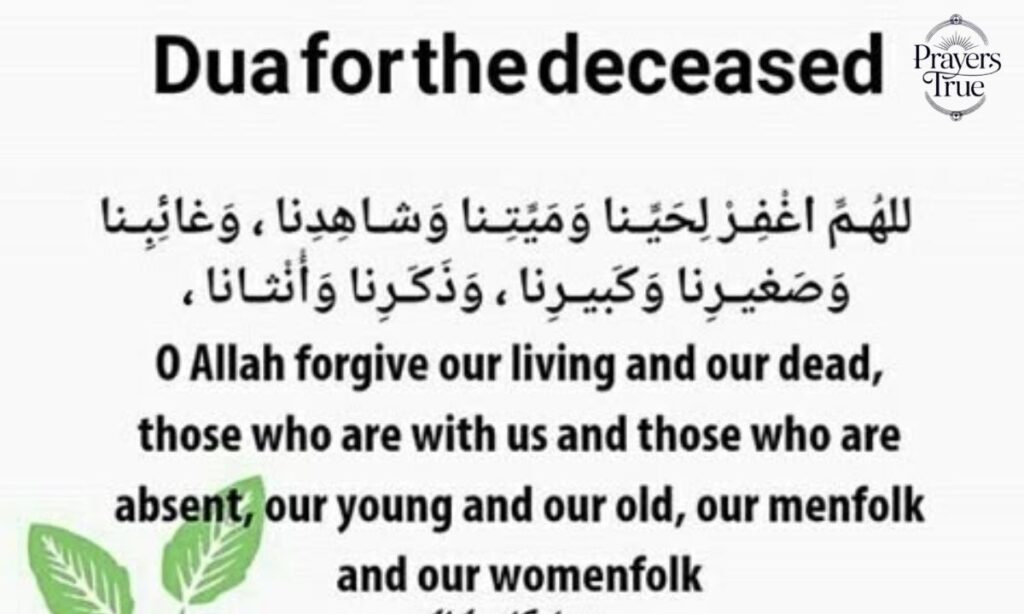
🤲 Most Famous Short Dua
Arabic:
اللَّهُمَّ اغْفِرْ لَهُ وَارْحَمْهُ
Transliteration:
Allāhumma-ghfir lahu warḥamhu
Translation:
“O Allah, forgive him and have mercy on him.”
💡 For a female say: اللَّهُمَّ اغْفِرْ لَهَا وَارْحَمْهَا (Allāhumma-ghfir lahā warḥamhā)
🤲 Upon Hearing of a Death
Arabic:
إِنَّا لِلَّهِ وَإِنَّا إِلَيْهِ رَاجِعُونَ
Transliteration:
Innā lillāhi wa innā ilayhi rājiʿūn
Translation:
“Indeed, we belong to Allah, and indeed to Him we shall return.” (Surah Al-Baqarah 2:156)
🤲 Short Quranic Dua
Arabic:
رَبِّ اغْفِرْ لِي وَلِوَالِدَيَّ وَلِلْمُؤْمِنِينَ
Transliteration:
Rabbi-ghfir lī wa liwālidayya wa lil-muʾminīn
Translation:
“My Lord, forgive me, my parents, and all the believers.” (Surah Nuh 71:28)
Dua for All the Dead Muslims
🤲 Most Common Dua for All Deceased Muslims
Arabic:
اللَّهُمَّ اغْفِرْ لِلْمُسْلِمِينَ وَالْمُسْلِمَاتِ، وَالْمُؤْمِنِينَ وَالْمُؤْمِنَاتِ، الْأَحْيَاءِ مِنْهُمْ وَالْأَمْوَاتِ
Transliteration:
Allāhumma-ghfir lil-muslimīna wal-muslimāt, wal-muʾminīna wal-muʾmināt, al-aḥyāʾi minhum wal-amwāt
Translation:
“O Allah, forgive the Muslim men and Muslim women, the believing men and believing women, both the living and the dead.” (Ibn Majah)
🤲 Dua for Mercy on All the Deceased
Arabic:
اللَّهُمَّ ارْحَمْ مَوْتَانَا وَمَوْتَى الْمُسْلِمِينَ
Transliteration:
Allāhumma irḥam mawtānā wa mawtā al-muslimīn
Translation:
“O Allah, have mercy on our deceased and the deceased of all Muslims.”
🤲 Dua for Forgiveness of All Believers
Arabic:
رَبَّنَا اغْفِرْ لَنَا وَلِإِخْوَانِنَا الَّذِينَ سَبَقُونَا بِالْإِيمَانِ وَلَا تَجْعَلْ فِي قُلُوبِنَا غِلًّا لِلَّذِينَ آمَنُوا رَبَّنَا إِنَّكَ رَءُوفٌ رَحِيمٌ
Transliteration:
Rabbanā-ghfir lanā wa li-ikhwāninā alladhīna sabaqūnā bil-īmān, wa lā tajʿal fī qulūbinā ghillan lilladhīna āmanū, Rabbanā innaka Raʾūfun Raḥīm
Translation:
“Our Lord, forgive us and our brothers who preceded us in faith, and put not in our hearts any resentment toward those who have believed. Our Lord, indeed You are Kind and Merciful.” (Surah Al-Hashr 59:10)
🤲 Dua for the Deceased in the Grave
Arabic:
اللَّهُمَّ اغْفِرْ لِأَهْلِ الْقُبُورِ
Transliteration:
Allāhumma-ghfir li-ahli al-qubūr
Translation:
“O Allah, forgive the people of the graves.”
🤲 Dua When Passing by a Graveyard
Arabic:
السَّلَامُ عَلَيْكُمْ أَهْلَ الدِّيَارِ مِنَ الْمُؤْمِنِينَ وَالْمُسْلِمِينَ، وَإِنَّا إِنْ شَاءَ اللَّهُ بِكُمْ لَاحِقُونَ، نَسْأَلُ اللَّهَ لَنَا وَلَكُمُ الْعَافِيَةَ
Transliteration:
As-salāmu ʿalaykum ahl al-diyāri min al-muʾminīna wal-muslimīn, wa innā in shāʾa Allāhu bikum lāḥiqūn, nasʾalu Allāha lanā wa lakum al-ʿāfiyah
Translation:
“Peace be upon you, O people of the graves, from among the believers and Muslims. Indeed we will, if Allah wills, join you. We ask Allah for well-being for us and for you.” (Sahih Muslim)
When to Recite Dua for the Deceased
🕌 Upon Hearing of Someone’s Death
Immediately recite إِنَّا لِلَّهِ وَإِنَّا إِلَيْهِ رَاجِعُونَ and follow it with dua for forgiveness and mercy. This is the Sunnah of the Prophet ﷺ upon receiving news of a death.
Best Dua: اللَّهُمَّ اغْفِرْ لَهُ وَارْحَمْهُ وَعَافِهِ وَاعْفُ عَنْهُ “O Allah, forgive him, have mercy on him, grant him well-being, and pardon him.”
🕌 After Every Salah (Daily Prayer)
One of the best times to make dua is after completing Salah — before saying the final Salam or right after. The Prophet ﷺ encouraged remembering the deceased in our daily prayers.
Best Dua: رَبِّ اغْفِرْ لِي وَلِوَالِدَيَّ وَلِلْمُؤْمِنِينَ “My Lord, forgive me, my parents, and all the believers.” (Surah Nuh 71:28)
🕌 When Visiting the Graveyard
Visiting graves is a Sunnah that reminds us of the Hereafter. Upon entering, greet the deceased and make dua for them. The Prophet ﷺ used to visit graves regularly and taught us specific duas for this occasion.
Best Dua: السَّلَامُ عَلَيْكُمْ أَهْلَ الدِّيَارِ مِنَ الْمُؤْمِنِينَ وَالْمُسْلِمِينَ “Peace be upon you, O people of the graves, from among the believers and Muslims.” (Sahih Muslim)
🕌 On Fridays (Yawm al-Jumuah)
Friday is a blessed and special day in Islam. Many scholars recommend increasing dua and Quran recitation — especially Surah Yasin — on Fridays for the souls of the deceased. It is a day when duas are more readily accepted.
Best Practice: Recite Surah Al-Fatiha, send Salawat upon the Prophet ﷺ, and make sincere dua for all deceased Muslims.
The Power of Dua for the Deceased
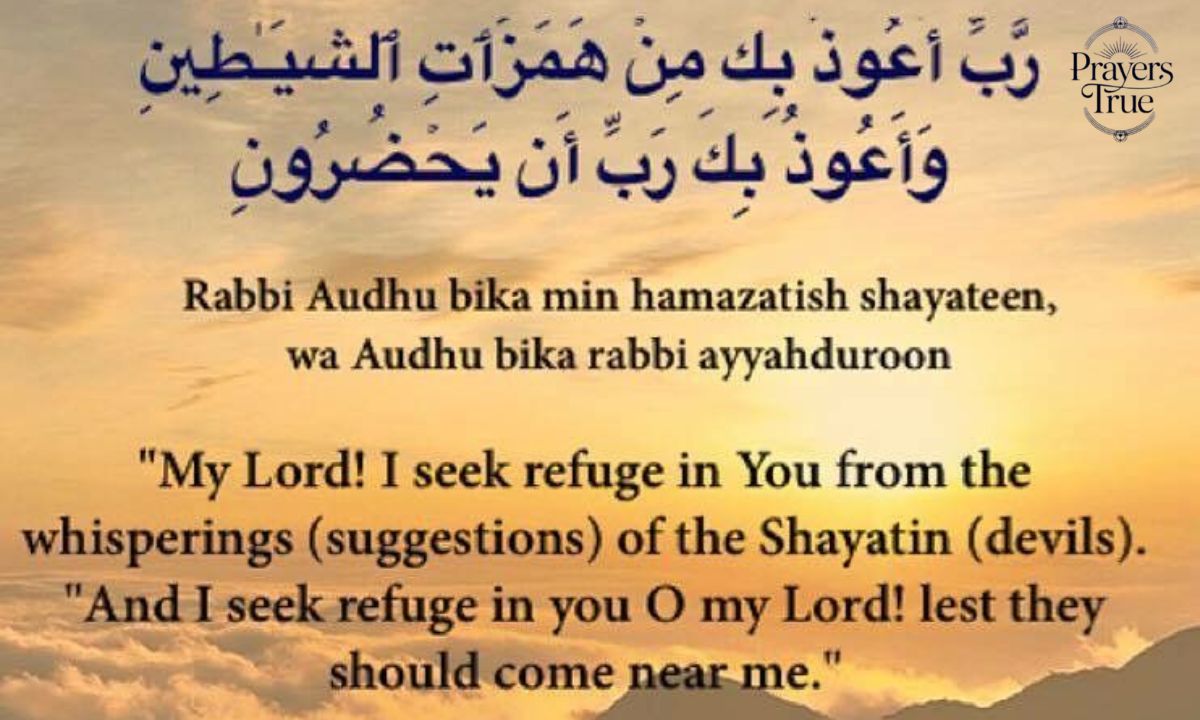
🌟 Dua Reaches the Dead
The Prophet ﷺ confirmed that dua made by the living truly reaches and benefits the deceased. When we raise our hands and ask Allah for forgiveness on their behalf, it is delivered to them in their graves as light, mercy, and relief.
Allah says in the Quran: وَالَّذِينَ جَاءُوا مِنْ بَعْدِهِمْ يَقُولُونَ رَبَّنَا اغْفِرْ لَنَا وَلِإِخْوَانِنَا الَّذِينَ سَبَقُونَا بِالْإِيمَانِ “Those who came after them say: Our Lord, forgive us and our brothers who preceded us in faith.” (Surah Al-Hashr 59:10)
🌟 Three Things That Continue After Death
The Prophet ﷺ said:
إِذَا مَاتَ الْإِنْسَانُ انْقَطَعَ عَمَلُهُ إِلَّا مِنْ ثَلَاثَةٍ: صَدَقَةٍ جَارِيَةٍ، أَوْ عِلْمٍ يُنْتَفَعُ بِهِ، أَوْ وَلَدٍ صَالِحٍ يَدْعُو لَهُ “When a person dies, all their deeds come to an end except three — a continuing charity, knowledge that benefits others, or a righteous child who prays for them.” (Sahih Muslim)
This hadith shows that your dua is one of the greatest gifts you can give to a deceased loved one.
🌟 Dua Brings Light to the Grave
The deceased experience the effects of our prayers. Scholars explain that sincere dua illuminates the grave, eases loneliness, and brings Allah’s mercy down upon the departed soul. Every dua you make is a ray of light sent to them.
Best Dua to Illuminate the Grave: اللَّهُمَّ افْسَحْ لَهُ فِي قَبْرِهِ وَنَوِّرْ لَهُ فِيهِ “O Allah, widen his grave and illuminate it for him.” (Sahih Muslim)
🌟 Your Dua is an Act of Sadaqah
Making dua for the deceased is itself an act of Sadaqah (charity). You are giving from your heart without expecting anything in return. Allah rewards you for it, and the deceased soul benefits from it — a beautiful exchange of mercy between the living and the dead.
🌟 Never Underestimate a Small Dua
Even the shortest dua — just اللَّهُمَّ اغْفِرْ لَهُ (O Allah, forgive him) — carries immense weight when said with a sincere heart. Allah does not look at the length of your words but at the sincerity of your heart.
The Prophet ﷺ said: “Verily Allah does not look at your appearances or wealth, but He looks at your hearts and your deeds.” (Sahih Muslim)
Frequently Asked Questions
What is a dua for the deceased in Islam?
A dua for the deceased is a supplication made to Allah, asking for forgiveness, mercy, and peace for a person who has passed away. It is a way for Muslims to support the departed soul through prayer.
Why are duas for the deceased recited in Arabic?
Arabic is the language of the Qur’an and many authentic supplications. Reciting duas in Arabic preserves their original meaning and spiritual significance, though one can also pray in their own language.
Can I make dua for the deceased in my own words?
Yes, you can make dua in any language and in your own words. What matters most is sincerity and asking Allah for mercy and forgiveness for the deceased.
When should a dua for the deceased be recited?
Duas can be recited at any time, but they are especially common during funeral prayers (Salat al-Janazah), after burial, on Fridays, and during personal prayers.
Do duas benefit the deceased?
Yes, in Islam it is believed that the prayers of the living can benefit the deceased by bringing them mercy, forgiveness, and relief in the hereafter.
Can children make dua for deceased parents?
Yes, a righteous child’s dua is considered especially powerful and beneficial for deceased parents, as it continues to bring them reward even after death.
Is it necessary to visit the grave to make dua?
No, it is not necessary. You can make dua for the deceased from anywhere. However, visiting graves is encouraged as a reminder of the hereafter.
What is the most common dua for the deceased?
One well-known dua is: “Allahumma ighfir lahu warhamhu,” which means “O Allah, forgive him and have mercy on him.” There are many other authentic supplications as well.
Can we recite the Qur’an and send the reward to the deceased?
Many scholars agree that reciting the Qur’an and making dua for the deceased can benefit them, though opinions may vary among different schools of thought.
How often should I make dua for the deceased?
There is no fixed limit. You can make dua as often as you like, especially during special times like after prayers, on Fridays, or during Ramadan.
Conclusion
Making dua for the deceased is a beautiful and meaningful way to stay connected with those who have passed away. It reflects compassion, faith, and the hope that Allah grants them mercy, forgiveness, and a peaceful place in the hereafter. Through sincere supplications—whether in Arabic or your own language—you can continue to support your loved ones even after their journey in this world has ended.
In Islam, these prayers are not only a source of benefit for the departed but also a reminder for the living to reflect on their own lives and strengthen their relationship with Allah. By regularly remembering the deceased in your duas, you honor their memory and fulfill an act of kindness that carries immense spiritual reward.

Riya is a passionate writer with 4 years of experience creating inspiring prayer blogs. She currently works at PrayersTrue.com, sharing heartfelt words that bring peace, hope, and spiritual strength to readers worldwide.