

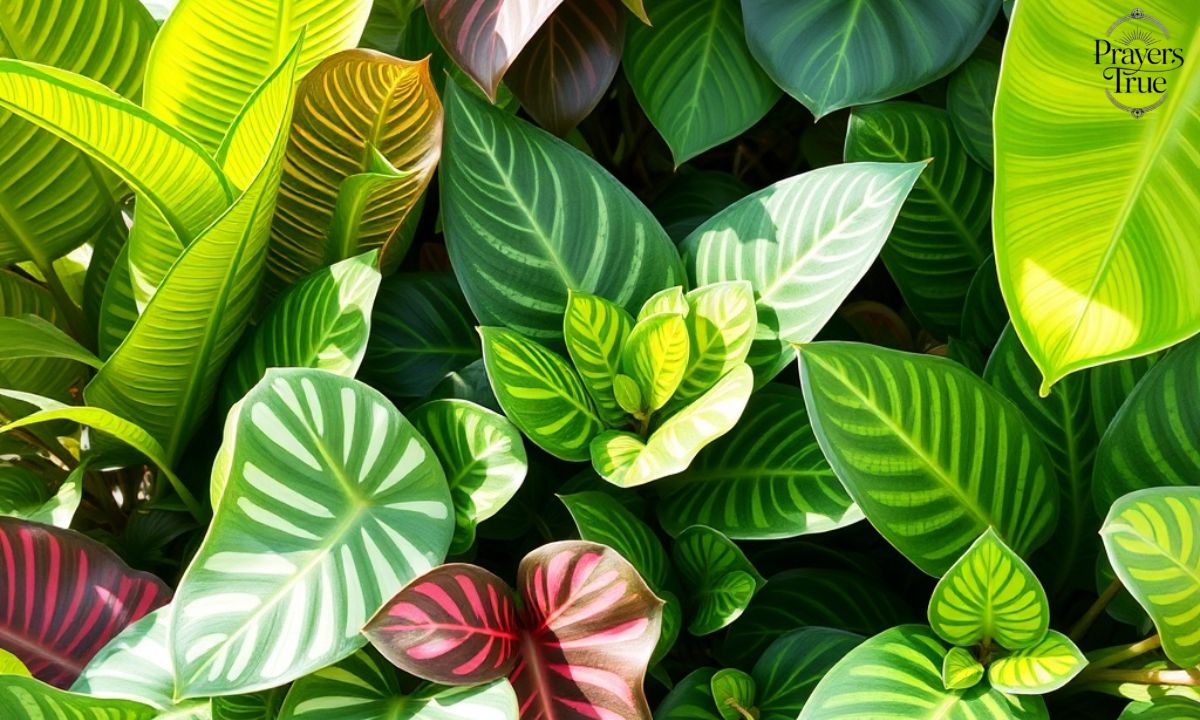
Calathea is one of the most stunning and exotic houseplants you can add to your indoor garden. Known for its beautifully patterned leaves and vibrant colors, Calathea instantly brings a tropical, eye-catching vibe to any space. However, while this plant is incredibly attractive, it can also be a bit sensitive—meaning proper care is essential to keep its foliage healthy, bold, and thriving.
In this ultimate Calathea care guide, you’ll discover the powerful secrets to keeping your plant lush and vibrant. From the right lighting and watering routine to humidity tips and common mistakes to avoid, this guide will help you grow a healthy, flourishing Calathea that becomes the show-stopping centerpiece of your indoor plant collection. 🌿
About the Calathea
Calathea is a stunning tropical houseplant native to the rainforests of South America, particularly Brazil. Known for its strikingly patterned leaves in shades of green, purple, and white, it belongs to the family Marantaceae. Its bold, decorative foliage makes it one of the most popular indoor plants among plant enthusiasts worldwide.
What makes Calathea truly unique is its fascinating nyctinastic movement — its leaves fold upward at night and open again during the day, almost like hands in prayer, which is why it’s sometimes called a “prayer plant.” It thrives in indirect light, high humidity, and consistently moist soil, mimicking its natural rainforest environment. Beyond its beauty, Calathea is also considered a pet-friendly and air-purifying plant, making it a wonderful addition to any home.
Types of Calathea

- Calathea Orbifolia — One of the most popular varieties, recognized by its large, round leaves with silvery-green stripes. It has a bold, elegant appearance and is a favorite choice for interior decoration due to its impressive size and subtle color pattern.
- Calathea Medallion — Known for its beautifully patterned leaves featuring deep green tops with a medallion-like design and a rich purple underside. It is a hardy variety that adapts relatively well to indoor conditions compared to other Calathea types.
- Calathea Lancifolia (Rattlesnake Plant) — Distinguished by its long, narrow leaves with wavy edges and dark green spots resembling a rattlesnake’s skin. The undersides of its leaves are a striking deep purple, adding a dramatic contrast to its unique pattern.
- Calathea Zebrina (Zebra Plant) — Named for its eye-catching zebra-like stripes of light and dark green across its velvety leaves. It is a fast-growing variety that can reach impressive sizes, making it a bold statement plant in any living space.
How to Care for your Calathea
1. Light Requirements Calathea thrives in bright, indirect light and should never be placed in direct sunlight, as harsh rays can scorch and fade its beautifully patterned leaves. A spot near a north or east-facing window is ideal, or a few feet away from a brighter window with filtered light. Low light conditions can slow its growth, but it generally tolerates shade better than most houseplants.
2. Watering Schedule Calathea prefers consistently moist soil but is highly sensitive to overwatering, which can quickly lead to root rot. It is best to water when the top inch of soil feels slightly dry, using filtered or distilled water as it is particularly sensitive to the fluoride and chlorine found in tap water. During winter, reduce watering frequency as the plant enters a slower growth period.
3. Humidity & Temperature Being a tropical plant, Calathea loves high humidity levels of around 50–70% to keep its leaves looking lush and healthy. It thrives in temperatures between 65–85°F (18–29°C) and should be kept away from cold drafts, air conditioning vents, and sudden temperature changes. Misting the leaves regularly, using a humidifier, or placing the pot on a pebble tray with water are great ways to boost humidity.
4. Soil & Fertilizing Calathea grows best in a well-draining, lightweight potting mix that retains some moisture without becoming waterlogged. A blend of regular potting soil mixed with perlite and orchid bark works excellently to provide the right balance of drainage and moisture retention. During the growing season of spring and summer, feed your Calathea with a balanced liquid fertilizer once a month, and avoid fertilizing altogether during fall and winter.
5. Pruning & Repotting Regular pruning helps keep your Calathea looking neat and encourages healthy new growth by removing any yellow, brown, or damaged leaves at the base using clean scissors or pruning shears. Repotting should be done every 1–2 years in spring when the plant becomes root-bound, moving it into a pot only one size larger to avoid excess soil that can retain too much moisture. Fresh potting mix during repotting also gives the plant a nutrient boost and encourages vigorous growth.
Common Questions
CURLING LEAVES: Curling leaves are a very common issue with Calatheas. If your plant is sitting in too much light it will start to burn and curl inward. Move it farther away from the light. The other, most likely, reason is that it is drying out and in an attempt to conserve water, it is curling up. Water it immediately and you will see it unfurl soon.
BROWNING TIPS: Brown tips and edges are one of the most frequently seen problems with Calathea. This is most often caused by low humidity levels in the home, as this plant craves a moist environment. Increase humidity by misting regularly or using a humidifier. Another common cause is tap water that contains too many chemicals — switch to filtered or distilled water and monitor if the browning improves.
YELLOWING LEAVES: Yellow leaves are usually a sign of overwatering or poor drainage in your Calathea. When the roots sit in soggy soil for too long, they begin to rot and the plant shows distress through yellowing foliage. Allow the soil to slightly dry out between waterings and make sure your pot has proper drainage holes to let excess water escape freely.
DROOPING LEAVES: If your Calathea leaves are drooping or looking limp, the plant is most likely underwatered or experiencing temperature stress. Check the soil immediately and water thoroughly if it feels dry. Also make sure the plant is not sitting near a cold draft, air vent, or radiator, as sudden temperature changes can cause the leaves to droop and lose their firmness.
NO NEW GROWTH: If your Calathea has stopped producing new leaves, it is likely due to insufficient light, lack of nutrients, or being rootbound in its pot. Move the plant to a brighter spot with indirect light and feed it with a balanced liquid fertilizer during the growing season. If the roots are tightly packed and circling the pot, it may be time to repot into a slightly larger container with fresh potting mix.
Frequently Asked Questions
What is a Calathea plant?
Calathea is a popular tropical houseplant known for its beautifully patterned leaves and vibrant colors. It belongs to the Marantaceae family and is often called a “prayer plant” because its leaves move up and down between day and night.
How often should I water Calathea?
Calathea prefers consistently moist soil but not soggy conditions. Water the plant when the top inch of soil feels slightly dry, usually about once a week depending on humidity and temperature.
What type of light is best for Calathea?
Calathea grows best in bright, indirect light. Direct sunlight can fade or burn the leaves, while very low light may slow down its growth.
Why are my Calathea leaves turning brown?
Brown leaf edges are usually caused by low humidity, tap water chemicals, or inconsistent watering. Using filtered water and increasing humidity can help keep the leaves healthy.
Does Calathea need high humidity?
Yes, Calathea thrives in high humidity environments, similar to its tropical origins. Using a humidifier, pebble tray, or misting occasionally can help maintain the right moisture levels.
Is Calathea safe for pets?
Yes, Calathea is generally considered non-toxic to cats and dogs, which makes it a great choice for pet-friendly homes.
How fast does Calathea grow?
Calathea typically grows at a moderate pace indoors. With proper light, watering, and humidity, the plant can develop fuller foliage throughout the growing season.
Why do Calathea leaves move at night?
Calathea leaves naturally move due to a behavior called nyctinasty, where the leaves rise at night and lower during the day to respond to light changes.
When should I report my Calathea?
Repotting is usually needed every 1–2 years or when the roots begin to outgrow the pot. Spring is the best time to report for healthy growth.
What is the ideal temperature for Calathea?
Calathea prefers warm indoor temperatures between 65–80°F (18–27°C) and should be kept away from cold drafts or sudden temperature changes. 🌿
Conclusion
Caring for Calathea may require a little extra attention, but the reward is a truly breathtaking and vibrant houseplant that transforms any indoor space. With the right balance of indirect light, consistent watering, warm temperatures, and high humidity, your Calathea can grow into a lush, eye-catching centerpiece that brings tropical beauty into your home.
By following this powerful Calathea care guide, you can avoid common mistakes and help your plant thrive for years to come. With patience and proper care, this exotic foliage plant will continue to display its stunning patterns and graceful leaf movements, making it a must-have plant for any indoor plant lover. 🌿✨

Riya is a passionate writer with 4 years of experience creating inspiring prayer blogs. She currently works at PrayersTrue.com, sharing heartfelt words that bring peace, hope, and spiritual strength to readers worldwide.